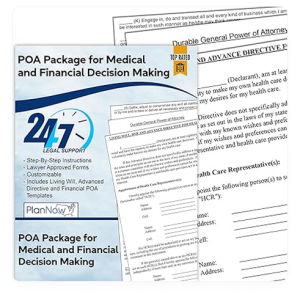
Advance Directive FAQ
Thinking about not being able to speak for yourself can be unsettling. It makes us face tough truths about our mortality and vulnerabilities. Ignoring this important topic leaves your healthcare decisions to chance. It also places the emotional burden on loved ones, who must guess your wishes. This is where an advance directive becomes vital. It’s not just a legal document; it’s your voice during uncertain times. It’s a message to future caregivers that ensures your values guide your care.
Imagine a sudden illness or accident that leaves you unable to communicate. Without an advance directive, your family may face painful decisions without clear guidance. This can lead to conflict or regret. With an advance directive, you empower them to act confidently. They know they are honoring your choices, not making their own. It’s a gift of clarity and peace.
This guide will simplify advance directives. We’ll provide clear, actionable insights to help you with this important planning step. We’ll cover its components, benefits, and how to make sure your voice is heard, no matter what tomorrow brings.
Frequently Asked Questions
FAQ 1: What Is an Advance Directive?
An advance directive is a legal document. It tells doctors and family what medical treatment you want if you can’t speak. You can decide your preferences before an emergency occurs. It covers life-sustaining treatments and pain relief. This document helps uphold your values in medical care. It also stops arguments over “what would you have wanted?” during tough times.
Scenario: In a 2022 survey, 80% of people with an advance directive felt safer about their future medical care compared to those without one.
Takeaway: An advance directive binds your medical decisions. You can sleep easy knowing you have a plan for your future healthcare.
FAQ 2: Why Is It So Important for People To Have an Advance Directive?
An advance directive is important because it ensures your care wishes are followed even if you can’t speak for yourself. Without one, your family may have to guess your preferences. This can lead to stress and disagreements. An advance directive allows you to make your own decisions. It also eases the burden on loved ones and guides health workers in treating you as you wish. It’s a vital tool for self-advocacy and family support. Plus, it offers clear guidance during a crisis.
Scenario: Studies show that families of patients with advance directives are less stressed and anxious when making end-of-life decisions.
Takeaway: Stay calm and support your family. Write down your medical wishes in an advance directive.
FAQ 3: What Are the Major Types of Advance Directives?
The main types of advance directives are:
- A Living Will explains what treatments you want or don’t want, like a ventilator or feeding tube.
- A DPOAHC, also called a healthcare proxy or medical power of attorney, is someone you trust to make decisions for you when you can’t.
Some states offer POLST (Physician Orders for Life-Sustaining Treatment) or MOLST forms. These are doctor’s orders based on your advance directive and become part of your medical record. Many people use one or both forms interchangeably.
Scenario: Patients in states with both Living Wills and DPOAHC forms are 25% more satisfied with end-of-life care.
Takeaway: Know the difference: A Living Will outlines your personal wishes. A DPOAHC names your chosen decision-maker.
FAQ 4: What Is the Difference Between a Living Will and a Durable Power of Attorney for Healthcare?
- Living Will: Lists the treatments you want or don’t want in serious situations, like breathing machines or artificial nutrition.
- DPOAHC: Designates a trusted person, your healthcare agent or proxy, to make medical decisions for you if you can’t speak.
The Living Will provides specific instructions. The DPOAHC gives a decision-maker broad authority. Both help with planning. Most people choose to have both.
Scenario: Hospitals found a 40% drop in ethical issues when patients have both a Living Will and a DPOAHC, compared to having just one or neither.
Takeaway: A Living Will tells what you want; a DPOAHC gives someone the power to make those choices for you.
FAQ 5: Who Should I Select To Be My Healthcare Agent and What Are the Qualities That Matter?
Pick someone you fully trust. They should know your values and be able to make tough choices when needed. They should be calm and clear in talking with doctors and family, and willing to do what you wish even if it is contrary to what the agent wished. Pick someone close by, often available, who can communicate well with medical teams. The agent should be over 18 and be someone other than your own doctor.
Scenario: Families with a healthcare agent are 60% happier with care choices. This is because the agent truly understands the patient’s values.
Takeaway: Pick a healthcare agent who really knows and respects your values, and is willing to stand up for them.