

Understand how these essential estate planning tools organize your assets.
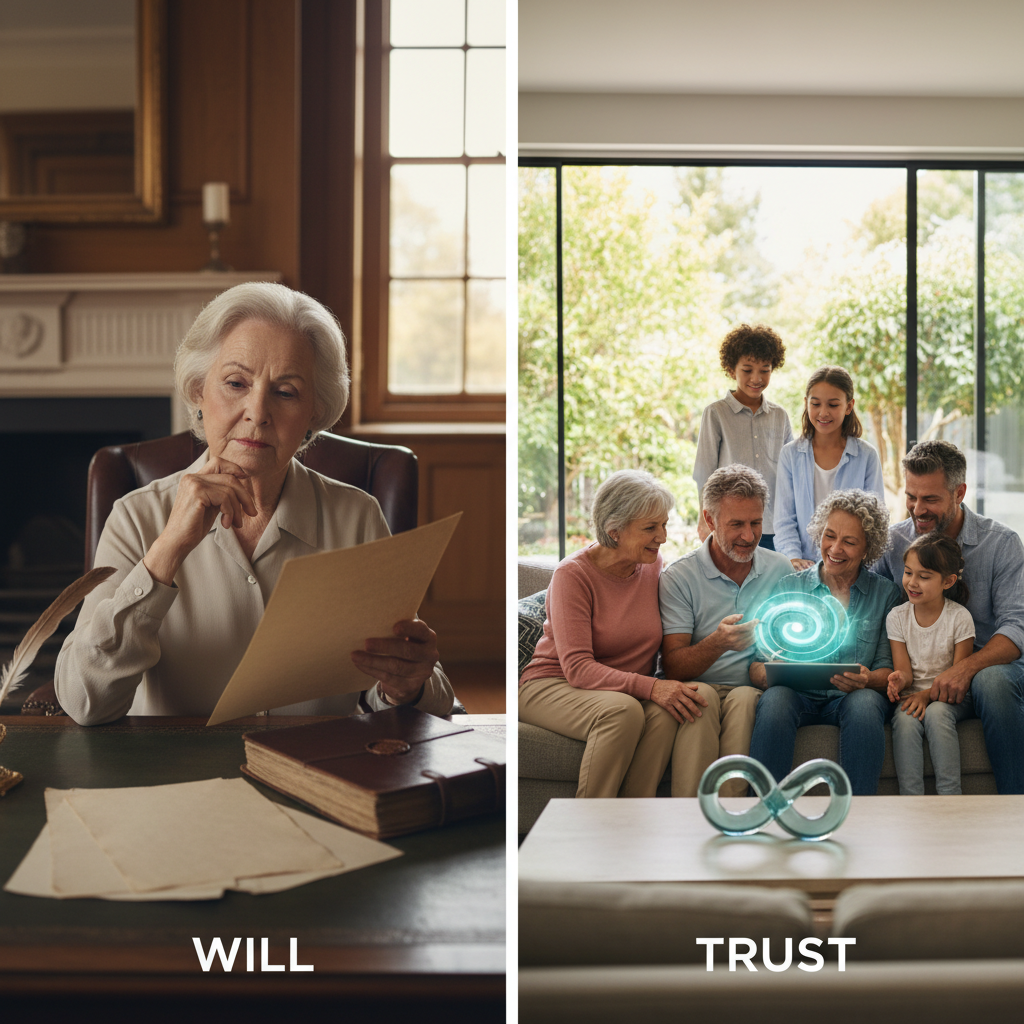
Quick Summary / Key Takeaways
- A last will and testament is commonly used to document preferences for how assets should be handled and to record choices related to minor children.
- A trust is another type of estate-planning document that some people use for holding assets for beneficiaries, depending on their personal situation.
- The differences between wills and trusts often relate to how each document is used, which can vary based on individual needs and circumstances.
- Many people start with a will to address straightforward planning needs and document their wishes in one place.
- PlanNow offers simple, attorney-approved templates and guided tools to help you create a will using clear, plain-language prompts.
Introduction

Thinking about how your assets may be handled in the future is a common part of planning ahead. Many people look to understand the difference between a will and a trust and how each document is typically used.
A will is commonly used to document preferences for how property should be handled and to record choices related to minor children. A trust is another type of estate-planning document that some people use to hold assets for beneficiaries, depending on their personal situation.
Understanding the general differences between a will and a trust can help you better organize your thoughts and decide how you want to document your wishes. Many people start with a will to address straightforward planning needs in one clear place.
PlanNow offers attorney-approved templates and guided tools to help you create a will using clear, plain-language prompts.
Key Differences: Will vs Trust
| Feature | Will | Trust | PlanNow Benefit |
|---|---|---|---|
| Purpose | Distributes assets | Avoids probate & manages assets | Easy setup for both |
| Probate | Required | Avoided | Guided process simplifies choices |
| Privacy | Public record | Private | Secure, private document creation |
| Cost | Lower initial | Higher initial | Affordable templates for both |
Who Needs What: Will vs Trust Scenarios
| Scenario | Best Fit | Why | PlanNow Solution |
|---|---|---|---|
| Simple estate | Will | Directs basic asset distribution | Will template |
| Complex assets/privacy | Trust | Avoids probate, offers control | Trust template |
| Minor children | Will (for guardianship) | Names legal guardians | Will template includes guardianship |
| Out-of-state property | Trust | Consolidates assets, avoids multiple probates | Guided trust creation |
Getting Ready to Create Your Will
- Note the assets and financial obligations you want to reference in your will.
- Record the people you’d like to list as beneficiaries, along with personal preferences related to minor children.
- Think through what you want your will to reflect about how assets are described and handled.
- Gather basic personal information that can help you work through the will template more smoothly.
After You Prepare Your Will
- Many people revisit their will from time to time, especially when personal circumstances change.
- Some choose to let the person they name as executor know where the document is kept.
- Decide on a place to store your will that feels secure and easy to locate later.
- Update your document as needed using the same guided tools when preferences change.
Table of Contents
Section 1: Understanding the Basics of Will vs Trust
- What is a Last Will and Testament?
- What is a Living Trust?
- What is the main difference between a will and a trust?
- Do I need both a will and a trust?
- What is a living trust vs will?
Section 2: Key Features and Benefits
- How does a will handle asset distribution?
- How does a trust avoid probate?
- What are the benefits of trust vs will for privacy?
- Can a will name guardians for minor children?
- What are the pros and cons of a trust vs will regarding control?
Section 3: Deciding Which is Right for You
- Who needs a trust vs a will?
- When do you need a trust vs will?
- What are the pros and cons of trust vs will for cost?
- Can I change my will or trust after creating it?
- What is a trust vs will in terms of complexity?
Frequently Asked Questions
Section 1: Understanding the Basics of Will vs Trust
FAQ 1: What is a Last Will and Testament?
A last will and testament is a document people use to record their preferences for how assets should be handled and to note personal choices related to minor children. Many people also use a will to identify the person they would like to name as executor within the document.
A will takes effect after death and serves as a written record of these preferences. Using guided templates can help keep everything organized in one clear place using plain language.

FAQ 2: What is a Living Trust?
A living trust is one type of estate-planning document that people may hear about when learning how assets can be organized during and after a lifetime. In general terms, it is commonly described as a way assets may be held and referenced for beneficiaries based on personal circumstances.
People often compare living trusts and wills when exploring different ways to document their wishes. Each document is used differently, and the choice of approach can vary depending on individual needs and priorities.
FAQ 3: What is the main difference between a will and a trust?
A will and a trust are both estate-planning documents, but they are generally discussed in different contexts. A will is commonly used to document preferences for how assets should be handled and to record personal choices related to minor children after death.
A trust is another type of estate-planning document that some people use to organize assets during their lifetime or afterward, depending on their situation. The way each document is used can vary, which is why people often compare the two when learning about different planning options.
FAQ 4: Do I need both a will and a trust?
Some people ask this question when they’re thinking about how many documents they need, rather than how those documents differ. A will is often used as a central place to record personal wishes, including preferences around assets and minor children.
A trust is another type of estate-planning document that people may hear about when exploring broader planning approaches. Whether someone uses one document or more than one can depend on how they want information organized and documented.
FAQ 5: What is a living trust vs will?
A will and a living trust are both estate-planning documents that people may learn about when exploring different ways to document their wishes.
A will is commonly used to record preferences for how assets should be handled and to note personal choices related to minor children after death. A living trust is another type of estate-planning document that some people use to organize assets during their lifetime or afterward, depending on their situation.
Because each document is used differently, people often compare general explanations of both when learning about planning options. How someone approaches this can vary based on how they want information documented and organized.
Section 2: Key Features and Benefits
FAQ 6: How does a will handle asset distribution?
A will is commonly used to record how someone would like their assets to be handled and who they would like to list as beneficiaries. Many people use a will to describe these preferences in writing so they are organized in one place.
A will also gives you a place to note the person you’d like to name as executor within the document. Using guided templates can help you outline these details clearly using plain-language prompts.
FAQ 7: How does a trust avoid probate?
A trust is an estate-planning document that people often hear about when learning how assets may be handled differently after someone passes away. In general discussions, trusts are often associated with handling assets outside of the probate process, depending on how they are set up.
How a trust is used, and whether probate is involved, can vary based on individual circumstances and how the document is structured.
FAQ 8: What are the benefits of trust vs will for privacy?
When people compare trusts and wills, privacy is often part of the conversation. In general discussions, trusts are frequently talked about as having less public visibility than wills, while wills are often mentioned in connection with a public court process, depending on how each document is used.
Because of this, some people associate trusts and wills with different privacy considerations when learning about estate-planning documents. How privacy applies can vary based on individual circumstances and how information is documented.
FAQ 9: Can a will name guardians for minor children?
A will is often used by parents to record their wishes for the care of minor children. This part of the document helps families write down their choices as part of their planning.
In conversations, people frequently mention wills when discussing guardianship preferences. Other estate-planning documents serve different purposes. How these preferences are noted can change based on personal circumstances.
FAQ 10: What are the pros and cons of a trust vs will regarding control?
When people compare trusts and wills, control is often one of the differences discussed. In general conversations, trusts are commonly talked about as a way to describe preferences that may apply over time, while wills are typically used to document wishes that apply after death.
Because of this distinction, trusts and wills are sometimes viewed as offering different ways to record how assets are described and referenced. How much detail is included can vary based on personal circumstances and how each document is used.
Section 3: Deciding Which is Right for You
FAQ 11: Who needs a trust vs a will?
When people look at estate-planning documents, they often compare trusts and wills. Wills usually serve to record preferences in one place, covering choices about assets and minor children. Trusts, on the other hand, come up in broader talks about organizing assets in various ways.
How someone compares these options can depend on their personal situation. It also relates to what they want to document and how they prefer it structured. Some focus on a single document, while others explore multiple options to understand their choices better.
FAQ 12: When do you need a trust vs will?
People often compare trusts and wills when learning about estate planning. Wills usually record core preferences, like how assets are handled and decisions about minor children. Trusts come up in discussions about organizing assets differently based on individual needs.
How someone compares these options depends on what they want to document and how they prefer it structured. Some focus on one document, while others look at multiple options to grasp the overall picture.
FAQ 13: What are the pros and cons of trust vs will for cost?
When people compare trusts and wills, cost is often one of the topics discussed. In general explanations, wills are commonly described as having a simpler creation process, while trusts are often talked about as involving more steps and setup considerations, depending on how they are used.
Because of these differences, people sometimes associate wills and trusts with different cost considerations over time. How costs apply can vary based on personal circumstances, location, and how each document is structured and maintained.
FAQ 14: Can I change my will or trust after creating it?
People often revisit estate-planning documents after they’re created as personal circumstances change over time. In general discussions, wills and trusts are commonly described as documents that may be updated or revised, depending on how they are set up and used.
Rather than being static, these documents are often reviewed when life events occur or priorities shift. How updates are handled can vary based on individual situations and the type of document involved.
FAQ 15: What is a trust vs will in terms of complexity?
When people compare trusts and wills, complexity is often one of the differences discussed. In general explanations, wills are commonly described as more straightforward documents for recording preferences in one place, while trusts are often talked about as involving additional steps and considerations, depending on how they are structured and used.
Because of this, trusts and wills are sometimes viewed as serving different roles in how information is documented and organized. How complex either document feels can vary based on personal circumstances and what someone wants to include.